


dr Igor Siedlecki
Scientific interests
- Interactions between fungi and social insects
- Ecology and biology of red wood ants
- Ecology and biology of Mucoromycota representatives
- Taxonomy and systematics of fungi
- Citizen science
Projects
ongoing:
- Biodiversa+ BiodivMon 2023/05/Y/NZ9/00106: FunDive – Monitoring and mapping fungal diversity for nature conservation – contractor
completed:
- Grant BOB-IUDB-662-32/2022 within „IV.4.1. A complex programme of support for UW PhD students”: Adaptation of selected fungal species to the red wood ants’ made environment – principal investigator
- Grant within Young Scientists’ Projects Competition 2020/2021: Change in amino acid and sugar profiles of Entomortierella hyphae as an adaptation to the symbiotic lifestyle with the red wood ants – principal investigator
- Grant DSM 2019: Mycobiota of Formica polyctena ants – principal investigator
Internships
- Internship in Laboratory of Social and Myrmecophilous Insects, Museum and Institute of Zoology PAS, Warsaw, Poland, in a project: “Effect of the fungal parasite Rickia wasmannii (Laboulbeniales) on the task performance and immune response of Myrmica scabrinodis ants” (05-08.2022)
- Internship in the group of prof. Balint Marko at the Babes-Bolayi University, Cluj-Napoca, Romania in a project: “Mycobiota of Myrmica scabrinodis ants” (10.2017-01.2018)
Memberships and functions
- Central European Section of IUSSI – member
- International Mycological Association – member
- Polskie Towarzystwo Mykologiczne (Polish Mycological Society) – member
Other information
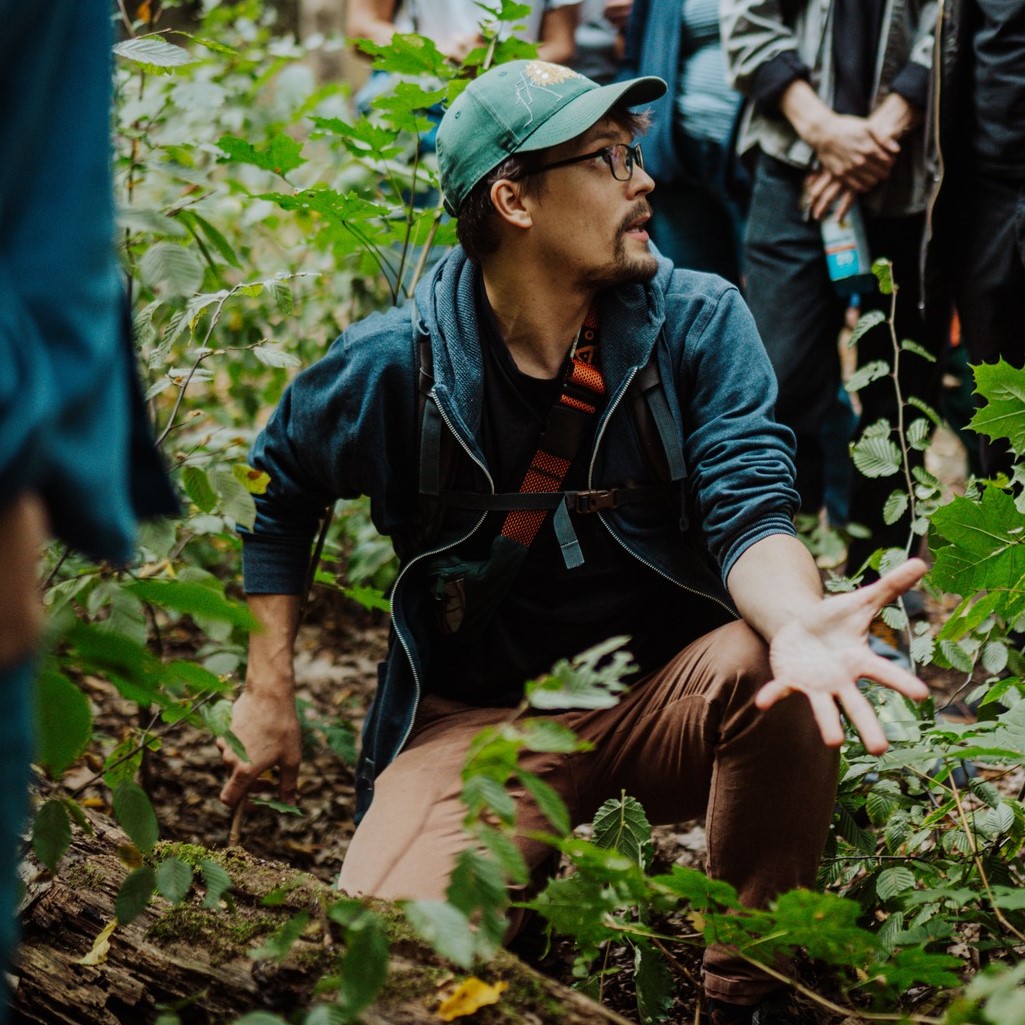
- Nature educator in Akademia Dzikiej Ochoty collective
Publications
Kochanowski, Michał; Dubiec, Anna; Juszczak, Aleksander; Siedlecki, Igor; Ślipiński, Piotr; Wrzosek, Marta; Csata, Enikő; Witek, Magdalena
Chronic fungal infection accelerates age polyethism in ants without altering immune response Journal Article
In: Animal Behaviour, vol. 232, 2026, ISSN: 0003-3472.
@article{Kochanowski2026,

title = {Chronic fungal infection accelerates age polyethism in ants without altering immune response},

author = {Michał Kochanowski and Anna Dubiec and Aleksander Juszczak and Igor Siedlecki and Piotr Ślipiński and Marta Wrzosek and Enikő Csata and Magdalena Witek},

doi = {10.1016/j.anbehav.2025.123426},

issn = {0003-3472},

year  = {2026},

date = {2026-02-00},

urldate = {2026-02-00},

journal = {Animal Behaviour},

volume = {232},

publisher = {Elsevier BV},

keywords = {},

pubstate = {published},

tppubtype = {article}

}
Haelewaters, Danny; Aghayeva, Dilzara; de-Miguel, Sergio; Degtjarenko, Polina; Dierickx, Glen; Dima, Bálint; Dyer, Paul S.; Fachada, Vasco; Favero-Longo, Sergio Enrico; Filippova, Nina V.; Ganado, Montserrat; Gonçalves, Susana C.; Heilmann-Clausen, Jacob; Hyland, Edel; Iršėnaitė, Reda; Jorjadze, Angelina; Krisai-Greilhuber, Irmgard; Lazarević, Jelena; Marques, Guilhermina; Meiere, Diāna; Nascimbene, Juri; Niell, Manel; Nuytinck, Jorinde; Ottosson, Elisabet; Papp, Viktor; Pärtel, Kadri; Prylutskyi, Oleh; Ramshaj, Qëndrim; Rinaldi, Andrea; Rusevska, Katerina; Ruszkiewicz-Michalska, Małgorzata; Schneider, Simone; Schoutteten, Nathan; Schwab, Nicolas; Siedlecki, Igor; Simão, Rui Soares; Sparrius, Laurens B.; Thüs, Holger; Vizzini, Alfredo; Westberg, Martin; Zambonelli, Alessandra; Zehnálek, Petr; Zervakis, Georgios I.; Pawłowska, Julia
Mapping the landscape of mycological organizations in europe: where citizen science meets professional mycology Journal Article
In: Biodivers Conserv, vol. 35, no. 1, 2026, ISSN: 1572-9710.
@article{Haelewaters2026b,

title = {Mapping the landscape of mycological organizations in europe: where citizen science meets professional mycology},

author = {Danny Haelewaters and Dilzara Aghayeva and Sergio de-Miguel and Polina Degtjarenko and Glen Dierickx and Bálint Dima and Paul S. Dyer and Vasco Fachada and Sergio Enrico Favero-Longo and Nina V. Filippova and Montserrat Ganado and Susana C. Gonçalves and Jacob Heilmann-Clausen and Edel Hyland and Reda Iršėnaitė and Angelina Jorjadze and Irmgard Krisai-Greilhuber and Jelena Lazarević and Guilhermina Marques and Diāna Meiere and Juri Nascimbene and Manel Niell and Jorinde Nuytinck and Elisabet Ottosson and Viktor Papp and Kadri Pärtel and Oleh Prylutskyi and Qëndrim Ramshaj and Andrea Rinaldi and Katerina Rusevska and Małgorzata Ruszkiewicz-Michalska and Simone Schneider and Nathan Schoutteten and Nicolas Schwab and Igor Siedlecki and Rui Soares Simão and Laurens B. Sparrius and Holger Thüs and Alfredo Vizzini and Martin Westberg and Alessandra Zambonelli and Petr Zehnálek and Georgios I. Zervakis and Julia Pawłowska},

doi = {10.1007/s10531-025-03219-2},

issn = {1572-9710},

year  = {2026},

date = {2026-01-12},

urldate = {2026-01-00},

journal = {Biodivers Conserv},

volume = {35},

number = {1},

publisher = {Springer Science and Business Media LLC},

abstract = {<jats:title>Abstract</jats:title>

                  <jats:p>Fungi have been used by humans since prehistoric times. Informal structures or groups for knowledge exchange regarding mushrooms and lichens probably existed for ages. Only recently, mycological activities have been structured in formal organizations. And where until a few centuries ago there were only learned societies and naturalists’ clubs, nowadays also mycological societies and citizen scientists have joined the landscape. However, the history of mycological organizations and activities in Europe is difficult to track. Here, we initiated two surveys to characterize the current landscape of mycological organizations focused on fungal diversity across Europe and to collate citizen science activities mapping fungi. The surveys were shared on social media and sent to mycologists in 49 countries in Europe. Responses of the surveys allowed us to present the history, geographical distribution, and structure of mycological organizations in Europe as well as their types of activities, including the publication of journals and magazines, the organization of meetings and educational initiatives, and citizen science projects. In addition to the surveys, local mycologists presented expert knowledge for a more comprehensive overview. Our data show that the mycological landscape in Europe is diverse and heterogeneous. We discuss ways to overcome economic, cultural, and linguistic barriers towards better integration of mycological communities, activities, and data in Europe. Mycological societies focused on studying fungal diversity can be leveraged towards common goals that include raising public awareness, data integration, uniting academics and non-academics, and developing common standards for research and communication.</jats:p>},

keywords = {},

pubstate = {published},

tppubtype = {article}

}
<jats:p>Fungi have been used by humans since prehistoric times. Informal structures or groups for knowledge exchange regarding mushrooms and lichens probably existed for ages. Only recently, mycological activities have been structured in formal organizations. And where until a few centuries ago there were only learned societies and naturalists’ clubs, nowadays also mycological societies and citizen scientists have joined the landscape. However, the history of mycological organizations and activities in Europe is difficult to track. Here, we initiated two surveys to characterize the current landscape of mycological organizations focused on fungal diversity across Europe and to collate citizen science activities mapping fungi. The surveys were shared on social media and sent to mycologists in 49 countries in Europe. Responses of the surveys allowed us to present the history, geographical distribution, and structure of mycological organizations in Europe as well as their types of activities, including the publication of journals and magazines, the organization of meetings and educational initiatives, and citizen science projects. In addition to the surveys, local mycologists presented expert knowledge for a more comprehensive overview. Our data show that the mycological landscape in Europe is diverse and heterogeneous. We discuss ways to overcome economic, cultural, and linguistic barriers towards better integration of mycological communities, activities, and data in Europe. Mycological societies focused on studying fungal diversity can be leveraged towards common goals that include raising public awareness, data integration, uniting academics and non-academics, and developing common standards for research and communication.</jats:p>
Siedlecki, Igor; Kochanowski, Michał; Pawłowska, Julia; Reszotnik, Gabriela; Okrasińska, Alicja; Wrzosek, Marta
Ant's Nest as a microenvironment: Distinct Mucoromycota (Fungi) community of the red wood ants' (Formica polyctena) mounds Journal Article
In: Ecology and Evolution, vol. 14, no. 10, pp. e70333, 2024.
@article{https://doi.org/10.1002/ece3.70333,

title = {Ant's Nest as a microenvironment: Distinct Mucoromycota (Fungi) community of the red wood ants' (Formica polyctena) mounds},

author = {Igor Siedlecki and Michał Kochanowski and Julia Pawłowska and Gabriela Reszotnik and Alicja Okrasińska and Marta Wrzosek},

url = {https://onlinelibrary.wiley.com/doi/abs/10.1002/ece3.70333},

doi = {https://doi.org/10.1002/ece3.70333},

year  = {2024},

date = {2024-10-09},

urldate = {2024-10-09},

journal = {Ecology and Evolution},

volume = {14},

number = {10},

pages = {e70333},

abstract = {Abstract Many social insect species build nests, which differ from the surrounding environment and are often occupied by specific organismal communities. These organisms may interact mutualistically or parasitically with the nest-builders, or simply co-occur, being able to survive in these microenvironments. In temperate forests, red wood ants (e.g. Formica polyctena) are known to create distinct, highly developed nests, which consist of large, above-ground mounds, built primarily out of plant matter collected from the forest litter. The microorganismal communities of such mounds remain understudied. As representatives of Mucoromycota fungi commonly engage in the decomposition process of the forest litter, they would be expected to occur in the mounds. However, it is still not known whether the Mucoromycota community of these ants' nests differ from the one of the surrounding forest litter. In order to distinguish mound-associated taxa, we characterized Mucoromycota communities of Formica polyctena mounds and the surrounding forest litter. We sampled four sites, twice in a season. Sampled material was plated on agar media and emerging Mucoromycota colonies were identified based on their morphology. Fungal identification was further confirmed using DNA barcoding. In order to compare described communities, PERMANOVA test and non-metric multidimensional scaling ordinations were used. To distinguish taxa associated with the mounds, multilevel pattern analysis was performed. Our results show that the Mucoromycota community of Formica polyctena's mound differs from the community of the surrounding forest litter. While representatives of Entomortierella lignicola and Absidia cylindrospora clade were found to be associated with the mound environment, representatives of Umbelopsis curvata and Podila verticillata-humilis clade were associated with forest litter, and were rarely present in the mounds. Our findings strongly suggest that the red wood ants' nest is a specific microenvironment in the temperate forest floor, which is a preferred microhabitat for the mound-associated Mucoromycota, possibly adapted to live in proximity to ants.},

keywords = {},

pubstate = {published},

tppubtype = {article}

}
Siedlecki, Igor; Piątek, Marcin; Majchrowska, Maria; Okrasińska, Alicja; Owczarek-Kościelniak, Magdalena; Pawłowska, Julia
In: Fungal Biology, 2023, ISSN: 1878-6146.
@article{SIEDLECKI2023,

title = {Discovery of Formicomyces microglobosus gen. et sp. nov. strengthens the hypothesis of independent evolution of ant-associated fungi in Trichomeriaceae},

author = {Igor Siedlecki and Marcin Piątek and Maria Majchrowska and Alicja Okrasińska and Magdalena Owczarek-Kościelniak and Julia Pawłowska},

url = {https://www.sciencedirect.com/science/article/pii/S1878614623001083},

doi = {https://doi.org/10.1016/j.funbio.2023.10.005},

issn = {1878-6146},

year  = {2023},

date = {2023-10-24},

urldate = {2023-10-24},

journal = {Fungal Biology},

keywords = {},

pubstate = {published},

tppubtype = {article}

}
Gorczak, Michał; Siedlecki, Igor; Błocka, Zuzanna; Cullen, Maria; Daniele, Inita; Fox, Howard; Harder, Christoffer; Kinnunen, Juha; Kochanowski, Michał; Krisai-Greilhuber, Irmgard; Majchrowska, Maria; Meiere, Diana; Oberhofer, Martina; Schigel, Dmitry; Senn-Irlet, Beatrice; Wiktorowicz, Dorota; Wrzosek, Marta; Pawłowska, Julia
In: Acta Mycologica, vol. 55, no. 2, pp. 55211, 2021.
@article{Gorczak2021,

title = {18th Congress of European Mycologists Bioblitz 2019 – Naturalists Contribute to the Knowledge of Mycobiota and Lichenobiota of Białowieża Primeval Forest},

author = {Michał Gorczak and Igor Siedlecki and Zuzanna Błocka and Maria Cullen and Inita Daniele and Howard Fox and Christoffer Harder and Juha Kinnunen and Michał Kochanowski and Irmgard Krisai-Greilhuber and Maria Majchrowska and Diana Meiere and Martina Oberhofer and Dmitry Schigel and Beatrice Senn-Irlet and Dorota Wiktorowicz and Marta Wrzosek and Julia Pawłowska},

url = {https://pbsociety.org.pl/journals/index.php/am/article/view/am.55211/8039},

doi = {DOI: https://doi.org/10.5586/am.55211},

year  = {2021},

date = {2021-02-25},

urldate = {2021-02-25},

journal = {Acta Mycologica},

volume = {55},

number = {2},

pages = {55211},

keywords = {},

pubstate = {published},

tppubtype = {article}

}
Siedlecki, Igor; Gorczak, Michał; Okrasińska, Alicja; Wrzosek, Marta
Chance or Necessity—The Fungi Co−Occurring with Formica polyctena Ants Journal Article
In: Insects, vol. 12, no. 3, 2021.
@article{insects12030204,

title = {Chance or Necessity—The Fungi Co−Occurring with Formica polyctena Ants},

author = {Igor Siedlecki and Michał Gorczak and Alicja Okrasińska and Marta Wrzosek},

url = {https://www.mdpi.com/2075-4450/12/3/204},

doi = {10.3390/insects12030204},

year  = {2021},

date = {2021-01-01},

urldate = {2021-01-01},

journal = {Insects},

volume = {12},

number = {3},

keywords = {},

pubstate = {published},

tppubtype = {article}

}
Hyde, Kevin D; Norphanphoun, Chada; Abreu, Vanessa P; Bazzicalupo, Anna; Chethana, K W Thilini; Clericuzio, Marco; Dayarathne, Monika C; Dissanayake, Asha J; Ekanayaka, Anusha H; He, Mao-Qiang; Hongsanan, Sinang; Huang, Shi-Ke; Jayasiri, Subashini C; Jayawardena, Ruvishika S; Karunarathna, Anuruddha; Konta, Sirinapa; Kušan, Ivana; Lee, Hyun; Li, Junfu; Lin, Chuan-Gen; Liu, Ning-Guo; Lu, Yong-Zhong; Luo, Zong-Long; Manawasinghe, Ishara S; Mapook, Ausana; Perera, Rekhani H; Phookamsak, Rungtiwa; Phukhamsakda, Chayanard; Siedlecki, Igor; Soares, Adriene Mayra; Tennakoon, Danushka S; Tian, Qing; Tibpromma, Saowaluck; Wanasinghe, Dhanushka N; Xiao, Yuan-Pin; Yang, Jing; Zeng, Xiang-Yu; Abdel-Aziz, Faten A; Li, Wen-Jing; Senanayake, Indunil C; Shang, Qiu-Ju; Daranagama, Dinushani A; de Silva, Nimali I; Thambugala, Kasun M; Abdel-Wahab, Mohamed A; Bahkali, Ali H; Berbee, Mary L; Boonmee, Saranyaphat; Bhat, Jayarama D; Bulgakov, Timur S; Buyck, Bart; Camporesi, Erio; Castañeda-Ruiz, Rafael F; Chomnunti, Putarak; Doilom, Minkwan; Dovana, Francesco; Gibertoni, Tatiana B; Jadan, Margita; Jeewon, Rajesh; Jones, Gareth E B; Kang, Ji-Chuan; Karunarathna, Samantha C; Lim, Young Woon; Liu, Jian-Kui; Liu, Zuo-Yi; Plautz, Helio Longoni; Lumyong, Saisamorn; Maharachchikumbura, Sajeewa S N; Matočec, Neven; McKenzie, Eric H C; Mešić, Armin; Miller, Daniel; Pawłowska, Julia; Pereira, Olinto L; Promputtha, Itthayakorn; Romero, Andrea I; Ryvarden, Leif; Su, Hong-Yan; Suetrong, Satinee; Tkalčec, Zdenko; Vizzini, Alfredo; Wen, Ting-Chi; Wisitrassameewong, Komsit; Wrzosek, Marta; Xu, Jian-Chu; Zhao, Qi; Zhao, Rui-Lin; Mortimer, Peter E
Fungal diversity notes 603–708: taxonomic and phylogenetic notes on genera and species Journal Article
In: Fungal Diversity, vol. 87, no. 1, pp. 1-235, 2017.
@article{pub.1093155946,

title = {Fungal diversity notes 603–708: taxonomic and phylogenetic notes on genera and species},

author = {Kevin D Hyde and Chada Norphanphoun and Vanessa P Abreu and Anna Bazzicalupo and K W Thilini Chethana and Marco Clericuzio and Monika C Dayarathne and Asha J Dissanayake and Anusha H Ekanayaka and Mao-Qiang He and Sinang Hongsanan and Shi-Ke Huang and Subashini C Jayasiri and Ruvishika S Jayawardena and Anuruddha Karunarathna and Sirinapa Konta and Ivana Kušan and Hyun Lee and Junfu Li and Chuan-Gen Lin and Ning-Guo Liu and Yong-Zhong Lu and Zong-Long Luo and Ishara S Manawasinghe and Ausana Mapook and Rekhani H Perera and Rungtiwa Phookamsak and Chayanard Phukhamsakda and Igor Siedlecki and Adriene Mayra Soares and Danushka S Tennakoon and Qing Tian and Saowaluck Tibpromma and Dhanushka N Wanasinghe and Yuan-Pin Xiao and Jing Yang and Xiang-Yu Zeng and Faten A Abdel-Aziz and Wen-Jing Li and Indunil C Senanayake and Qiu-Ju Shang and Dinushani A Daranagama and Nimali I de Silva and Kasun M Thambugala and Mohamed A Abdel-Wahab and Ali H Bahkali and Mary L Berbee and Saranyaphat Boonmee and Jayarama D Bhat and Timur S Bulgakov and Bart Buyck and Erio Camporesi and Rafael F Castañeda-Ruiz and Putarak Chomnunti and Minkwan Doilom and Francesco Dovana and Tatiana B Gibertoni and Margita Jadan and Rajesh Jeewon and Gareth E B Jones and Ji-Chuan Kang and Samantha C Karunarathna and Young Woon Lim and Jian-Kui Liu and Zuo-Yi Liu and Helio Longoni Plautz and Saisamorn Lumyong and Sajeewa S N Maharachchikumbura and Neven Matočec and Eric H C McKenzie and Armin Mešić and Daniel Miller and Julia Pawłowska and Olinto L Pereira and Itthayakorn Promputtha and Andrea I Romero and Leif Ryvarden and Hong-Yan Su and Satinee Suetrong and Zdenko Tkalčec and Alfredo Vizzini and Ting-Chi Wen and Komsit Wisitrassameewong and Marta Wrzosek and Jian-Chu Xu and Qi Zhao and Rui-Lin Zhao and Peter E Mortimer},

url = {https://app.dimensions.ai/details/publication/pub.1093155946},

doi = {10.1007/s13225-017-0391-3},

year  = {2017},

date = {2017-01-01},

urldate = {2017-01-01},

journal = {Fungal Diversity},

volume = {87},

number = {1},

pages = {1-235},

keywords = {},

pubstate = {published},

tppubtype = {article}

}